The Arctic, a land of vast icy expanses and frozen tundra, often evokes images of polar bears, majestic glaciers, and an untouched wilderness. Yet, beneath its iconic ice caps and permafrost lies a hidden world, teeming with microscopic life, silently orchestrating one of the most significant environmental transformations of our time. These tiny organisms, the Arctic microbes, are emerging as unexpected, yet powerful, players in the global carbon cycle, with the potential to fundamentally reshape our planet's climate future.
Introduction to Environmental Science
Unveiling the Microscopic Drivers of Earth's Climate Feedback Loops
Overview
The Arctic, a region often perceived as a vast, frozen expanse, is undergoing profound and unprecedented changes, warming at a rate two to three times faster than the global average. This rapid warming is precipitating the thaw of permafrost – ground that has remained frozen for at least two consecutive years, and in many cases, for millennia. Within this ancient permafrost lies an immense reservoir of organic carbon, accumulated over tens of thousands of years from dead plant and animal matter, effectively locked away in a cryogenic state. Scientists estimate this frozen carbon stock to be approximately 1300 to 1700 petagrams (Pg), roughly double the amount of carbon currently in the atmosphere.
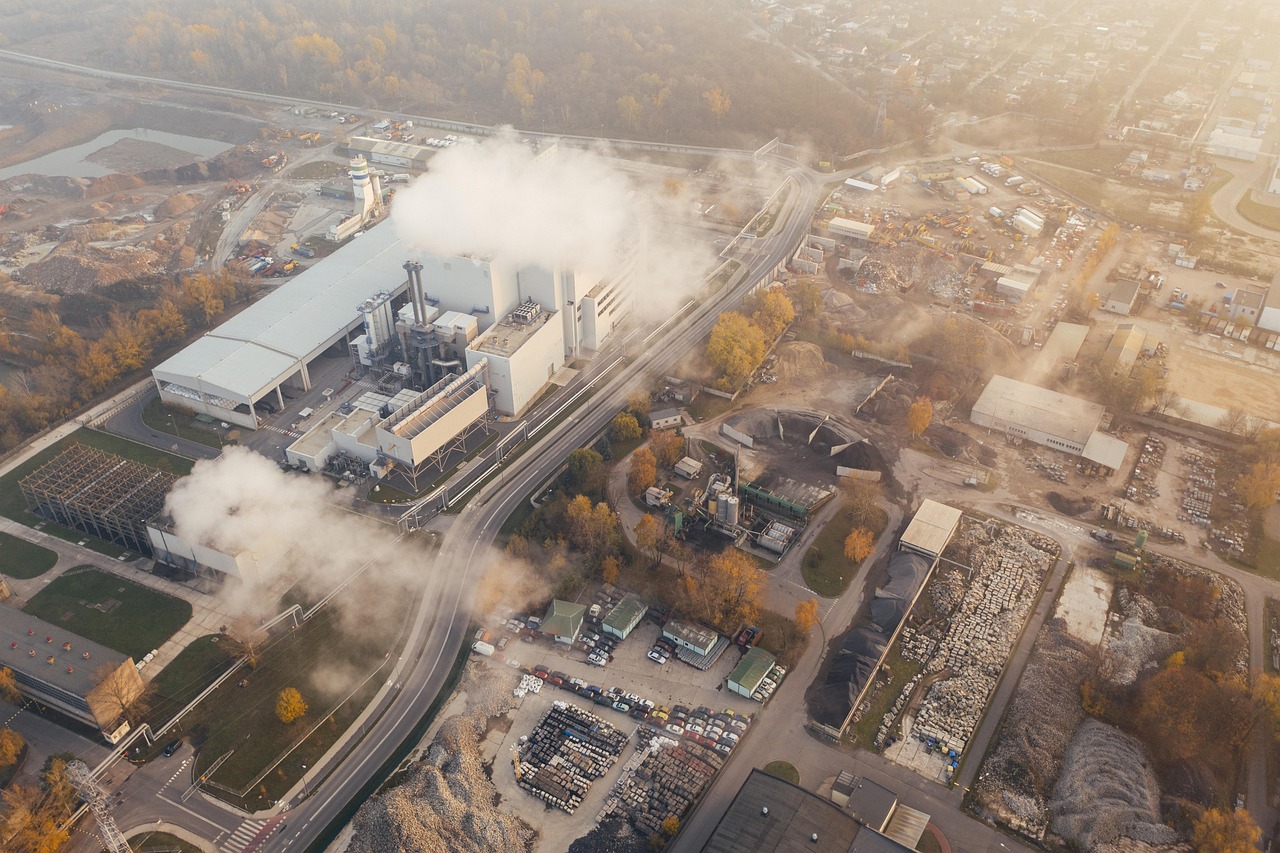
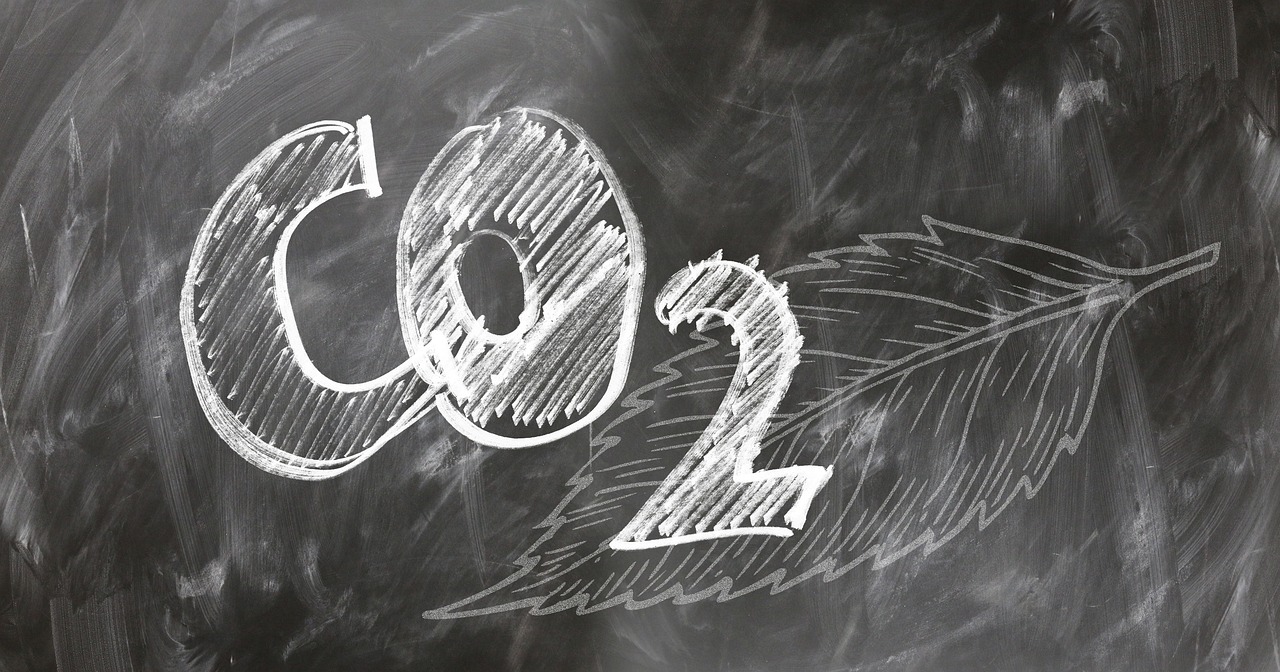
As permafrost thaws, the once-dormant organic material becomes accessible to an army of microscopic organisms: Arctic microbes. These bacteria and archaea, exquisitely adapted to extreme cold and often reactivated by warming, begin to decompose the newly available organic carbon. This decomposition process releases greenhouse gases – primarily carbon dioxide (CO2) and methane (CH4) – into the atmosphere. The release of these potent gases further contributes to global warming, creating a powerful positive feedback loop that accelerates climate change. Understanding the intricate mechanisms by which these tiny organisms control such a massive planetary process is one of the most critical challenges in environmental science today.
Principles & Laws
The intricate dance between Arctic microbes and global carbon cycles is governed by fundamental principles of thermodynamics, biogeochemistry, and ecology.
- Thermodynamics & Biogeochemistry: Microbial decomposition is a series of biochemical reactions that convert complex organic matter into simpler compounds, ultimately releasing energy and byproducts like CO2 and CH4. These processes adhere to the laws of thermodynamics, particularly the conservation of energy and the increase in entropy. The rate of these reactions is highly temperature-dependent, a concept often described by the Arrhenius equation, which posits that reaction rates generally increase exponentially with temperature. In the Arctic, this means even small increases in temperature can significantly accelerate microbial metabolic activity.
- Carbon Cycle Fundamentals: The global carbon cycle describes the movement of carbon among Earth's reservoirs: the atmosphere, oceans, land (including permafrost), and the biosphere. Arctic permafrost represents a significant and largely untapped terrestrial carbon reservoir. Microbial activity alters the fluxes between the land and atmosphere components of this cycle.
- Microbial Metabolism: The nature of greenhouse gas release depends on the environmental conditions.
- Aerobic Decomposition: In well-oxygenated (aerobic) conditions, microbes break down organic matter primarily into CO2 and water. This is common in the active layer of soils that thaw annually.
- Anaerobic Decomposition (Methanogenesis): In waterlogged, oxygen-deprived (anaerobic) conditions, a specialized group of archaea called methanogens ferment organic matter, producing methane (CH4). This is prevalent in thermokarst lakes, wetlands, and deeper thawed permafrost layers where water can accumulate.
- Methanotrophy: Conversely, other microbes, methanotrophs, consume methane, often converting it to CO2. The balance between methanogenesis and methanotrophy dictates the net methane flux.
- Ecological Niche Theory: Microbes in the Arctic have adapted to specific, often extreme, environmental conditions. As permafrost thaws, previously stable niches change dramatically, favoring the proliferation of some microbial groups while others decline. This shift in community structure and function is central to understanding altered carbon cycling pathways.
- Le Chatelier's Principle (Conceptual Application): While typically applied to chemical equilibrium, conceptually, Earth's climate system can be viewed as responding to the stress of increased atmospheric greenhouse gases. The permafrost carbon feedback is a critical response, further pushing the system towards a new equilibrium with a warmer climate.
Methods & Experiments
Investigating the complex interplay between Arctic microbes and carbon cycles requires a multidisciplinary approach, combining field observations, laboratory experiments, and sophisticated modeling techniques.
- Field Studies:
- Permafrost Cores: Scientists extract cores of permafrost, sometimes reaching tens of meters deep, to analyze the age, quantity, and composition of stored organic carbon. Radiocarbon dating (C14) helps determine the age of the carbon, while elemental analysis quantifies carbon and nitrogen content.
- Eddy Covariance Flux Towers: These towers are equipped with highly sensitive sensors that measure the net exchange of CO2, CH4, and water vapor between Arctic ecosystems and the atmosphere. Long-term deployment provides critical data on seasonal and annual greenhouse gas fluxes.
- Isotope Tracing: Stable isotopes of carbon (C13) and radioactive isotopes (C14) are used to track the source and fate of carbon. For example, the isotopic signature of released CO2 or CH4 can indicate whether it originated from recently fixed plant carbon or ancient permafrost carbon.
- Remote Sensing: Satellite imagery and airborne lidar are used to monitor large-scale changes in the Arctic landscape, including permafrost thaw extent, thermokarst lake formation, vegetation dynamics, and subsidence patterns.
- Laboratory Experiments:
- Incubation Experiments: Permafrost soil samples are brought into the lab and incubated under controlled conditions, simulating various warming scenarios (e.g., different temperatures, moisture levels, oxygen availability). Gas emissions (CO2, CH4) are then measured over time to quantify decomposition rates.
- Metagenomics & Metatranscriptomics: These 'omics' technologies allow researchers to sequence the entire genetic material (DNA - metagenomics) or expressed genes (RNA - metatranscriptomics) of microbial communities directly from environmental samples. This reveals the diversity of microbes present, their metabolic potential, and which genes are actively being expressed under specific conditions, providing insights into their functional roles in carbon cycling.
- Proteomics & Metabolomics: Further 'omics' approaches, proteomics identifies the proteins produced by microbes, indicating their active enzymes and cellular machinery, while metabolomics profiles the small molecule metabolites, offering a direct snapshot of their biochemical activity.
- Enzyme Assays: Specific enzyme activities (e.g., cellulase, ligninase for organic matter breakdown) are quantified in soil extracts to assess the potential for decomposition.
- Modeling:
- Earth System Models (ESMs): These complex models integrate atmospheric, oceanic, land, and cryospheric processes. Researchers are increasingly incorporating more detailed representations of permafrost physics and microbial biogeochemistry into ESMs to improve climate change projections.
- Biogeochemical Models: More focused models simulate the cycling of carbon, nitrogen, and other elements in Arctic soils, often at finer spatial and temporal scales, to understand specific feedback mechanisms.
- Observed Permafrost Thaw: Studies from across the pan-Arctic demonstrate an unequivocal deepening of the active layer (the surface layer that thaws annually) and widespread permafrost degradation. Thermokarst formation – the irregular terrain resulting from thaw-induced ground subsidence – is accelerating, leading to the creation of new wetlands and lakes that become hotspots for anaerobic methane production.
- Increased Greenhouse Gas Emissions:
- CO2: Under aerobic conditions, particularly in well-drained thawed permafrost soils, CO2 release is the dominant pathway. Flux tower measurements and incubation experiments consistently show increased CO2 emissions with rising temperatures and deeper thaw. Estimates suggest that by 2100, permafrost thaw could release an additional 50-150 Pg of carbon as CO2.
- Methane (CH4): While less abundant than CO2, methane is a far more potent greenhouse gas over a 20-year timescale (GWP of 80-84 times that of CO2). Significant CH4 emissions are observed from thermokarst lakes, wetlands, and areas experiencing anaerobic decomposition. Satellite data and regional studies indicate a rise in Arctic methane emissions, contributing to the observed increase in global atmospheric methane concentrations. The balance between methanogens and methanotrophs is a critical determinant of net CH4 flux.
- Microbial Community Shifts: Metagenomic and metatranscriptomic studies reveal dynamic changes in microbial community composition and activity with permafrost thaw. Previously dormant, cold-adapted microbes are reactivated, while warming often favors the growth of generalist decomposers (e.g., certain Proteobacteria and Acidobacteria). In anaerobic environments, there is a clear increase in the abundance and activity of methanogenic archaea. These shifts directly impact the ratios of CO2 to CH4 produced.
- Carbon Mobilization Rates: While precise global estimates remain challenging due to heterogeneity, current data confirms that significant quantities of ancient carbon are being mobilized. The rate of carbon release is directly linked to the thaw rate and the amount of exposed organic matter. It is a critical component influencing future climate trajectories.
- Positive Feedback Loop Confirmation: The accumulated data provides robust evidence for the permafrost carbon feedback loop: Arctic warming leads to permafrost thaw, which activates microbial decomposition, releasing CO2 and CH4, thereby enhancing the greenhouse effect and accelerating further warming and thaw.
- Improved Climate Models: Integrating advanced representations of permafrost dynamics, microbial community shifts, and temperature-dependent decomposition kinetics into Earth System Models is crucial for more accurate future climate projections. These refined models can help policymakers assess the full extent of warming and the urgency of emissions reductions.
- Mitigation Strategies (Research Phase):
- Restoration Ecology: Research explores methods like increasing vegetation cover or enhancing snow accumulation to insulate permafrost and slow down thaw. Re-establishing peatlands, for instance, could promote anaerobic conditions and potentially increase carbon sequestration, though its effectiveness on large scales is debated.
- Hydrological Management: Manipulating water levels in thermokarst lakes or wetlands could potentially alter methane emissions, but this is a complex intervention with potentially unforeseen ecological consequences.
- Bio-stimulation/Bio-augmentation: This highly speculative area involves exploring ways to manipulate microbial communities in situ to favor carbon sequestration or reduce greenhouse gas emissions. For example, stimulating methanotrophic activity to consume more methane. This is in very early stages and carries significant ecological risks.
- Early Warning Systems: Developing and deploying sophisticated sensor networks for real-time monitoring of permafrost temperatures, thaw depths, and greenhouse gas fluxes can provide early warnings of critical changes, allowing for more informed responses.
- Biotechnology: Arctic microbes are a source of novel cold-adapted enzymes (psychrozymes) with potential applications in industrial processes, bioremediation, or even future carbon capture technologies, though these are far removed from current climate mitigation efforts.
- The Permafrost Carbon Feedback Loop (Conceptual Diagram): Imagine a cyclical diagram: An initial warming event (e.g., anthropogenic emissions) → Arctic temperatures rise significantly → Permafrost thaws at an accelerated rate → Formerly frozen organic carbon becomes available → Arctic microbes decompose organic matter → Large quantities of CO2 and CH4 are released into the atmosphere → Enhanced greenhouse effect → Further increase in global temperatures, particularly in the Arctic → The loop continues and intensifies. This illustrates the self-reinforcing nature of the feedback.
- Statistics of Consequence:
- Carbon Storage: Approximately 1300 to 1700 Pg (petagrams) of organic carbon are stored in the Northern Hemisphere permafrost. For context, the atmosphere currently contains about 850 Pg of carbon. This represents a massive potential carbon bomb.
- Arctic Warming Rate: The Arctic is warming at 2 to 3 times the global average rate, leading to faster thaw and thus faster microbial activity.
- Methane's Potency: Methane (CH4) has a Global Warming Potential (GWP) approximately 28-34 times greater than CO2 over a 100-year timescale, and 80-84 times greater over a 20-year timescale. Even small releases of methane can have a significant short-term warming impact.
- Projected Emissions: Depending on climate scenarios, permafrost thaw could release an additional 50 to 150 Pg of carbon by 2100, which is comparable to 10-20% of current anthropogenic emissions over the same period, further complicating efforts to meet climate targets.
- Global Equity and Justice: Indigenous communities in the Arctic, who have lived in harmony with the environment for millennia, are on the front lines of climate change. Their traditional livelihoods, infrastructure, and cultural heritage are directly threatened by thawing permafrost, coastal erosion, and changes in animal migration patterns. The greenhouse gas emissions from permafrost thaw, while originating locally, contribute to global climate change, impacting vulnerable populations worldwide, highlighting issues of climate justice.
- Policy Implications: The permafrost carbon feedback necessitates a re-evaluation of national and international climate policies. Current emission reduction targets might be insufficient if the natural release of greenhouse gases from the Arctic is not adequately factored in. There is an urgent need for global cooperation and accelerated decarbonization strategies.
- Food Security: Changes in Arctic ecosystems affect marine life, fisheries, and land-based food sources crucial for indigenous communities and global markets. Altered vegetation and hydrology impact grazing animals like reindeer and caribou.
- Infrastructure Damage: Thawing ground causes subsidence and instability, leading to significant damage to buildings, roads, airports, pipelines, and other critical infrastructure across the Arctic region, incurring enormous repair costs and risks.
- Irreversibility and Tipping Points: The permafrost carbon feedback loop carries the risk of becoming an irreversible tipping point, where the natural release of greenhouse gases becomes self-sustaining and accelerates, making it exceedingly difficult to control global warming even with drastic reductions in anthropogenic emissions.
- Uncertainty & Risk: The precise timing, magnitude, and composition of future greenhouse gas releases from permafrost remain a significant uncertainty in climate predictions, adding to the risks associated with climate change planning.
- Complexity of Microbial Ecosystems: Arctic soil microbial communities are incredibly diverse, with billions of individual organisms and intricate metabolic networks. Understanding which specific microbes are active, under what conditions, and how their interactions influence carbon cycling remains a monumental task. The context-dependency of microbial responses (e.g., variations in soil type, organic matter composition, moisture) adds layers of complexity.
- Scaling Issues: Bridging the gap between laboratory-scale incubation experiments (often on grams of soil) and vast, heterogeneous Arctic landscapes (ecosystem-to-regional scales) is a major challenge. Translating precise microbial kinetics into large-scale atmospheric fluxes requires robust upscaling methodologies and computational power.
- Parameterization in Models: Accurately representing complex microbial kinetics, permafrost physics, and biogeochemical processes within large-scale Earth System Models is a continuous struggle. Current models often simplify these interactions, leading to uncertainties in predictions.
- Heterogeneity of Permafrost: Permafrost landscapes are highly heterogeneous, varying in ice content, organic matter content, soil texture, and thermal properties over short distances. This spatial variability makes representative sampling and broad-scale monitoring extremely difficult. Temporal variability, driven by seasonal changes, extreme weather events, and long-term climate trends, further complicates analysis.
- Funding & Logistics: Arctic research is inherently expensive and logistically challenging, requiring specialized equipment, robust infrastructure, and significant human resources to operate in remote and harsh environments. Sustained, long-term funding is crucial for tracking slow-moving but impactful changes.
- Predicting Tipping Points: Identifying precisely when and where the permafrost carbon feedback might cross a critical threshold or 'tipping point' – beyond which it becomes irreversible or dominates the global carbon budget – is a major scientific unknown.
- Non-CO2/CH4 GHGs: While CO2 and CH4 are primary concerns, thawing permafrost can also release other greenhouse gases like nitrous oxide (N2O) and various volatile organic compounds (VOCs), whose impacts are less well-understood but could contribute to warming.
- Integrated Observatories: Establishing and sustaining long-term, multi-disciplinary Arctic research observatories equipped with advanced sensors, flux towers, and sampling capabilities will provide continuous, high-resolution data essential for tracking changes and validating models. These observatories should foster international collaboration.
- Advanced 'Omics' Technologies: Continued advancements in metagenomics, metatranscriptomics, proteomics, and metabolomics will enable a deeper, more functional understanding of microbial communities in situ. Moving beyond 'who is there' to 'what are they doing' and 'what are their active pathways' is crucial for predicting responses to warming. Single-cell 'omics' approaches could reveal the activity of individual microbial cells.
- Improved Remote Sensing: Next-generation satellite missions and airborne platforms with enhanced spatial and spectral resolution will provide more accurate and frequent mapping of permafrost thaw, thermokarst activity, vegetation shifts, and even direct detection of greenhouse gas plumes over large areas.
- Process-Based Model Development: Developing more sophisticated, process-based models that explicitly incorporate permafrost physics, microbial metabolic pathways, and coupled hydrological and thermal dynamics will improve prediction accuracy. Machine learning and AI techniques can help integrate diverse datasets and identify complex patterns.
- Geoengineering & Intervention Exploration: While controversial and fraught with ethical dilemmas, research into potential geoengineering strategies, such as deliberately influencing microbial communities (e.g., through bio-stimulation to enhance methane oxidation) or exploring methods for actively re-freezing permafrost, may become necessary long-term considerations. Such research must be conducted with extreme caution and thorough risk assessment.
- Interdisciplinary Collaboration: The complexity of the problem demands even greater collaboration across scientific disciplines—microbiology, climatology, geology, hydrology, remote sensing, and social sciences—to provide holistic solutions and inform policy.
Data & Results
Decades of research have yielded compelling data, painting a clear picture of the escalating permafrost carbon feedback.
Applications & Innovations
Understanding the microbial drivers of Arctic carbon cycling is not merely an academic exercise; it has profound implications for climate action and environmental management.
Key Figures
To grasp the scale of this issue, conceptual and statistical figures are essential.
Ethical & Societal Impact
The consequences of Arctic permafrost thaw extend far beyond scientific measurements, impacting human societies and ecosystems globally.
Current Challenges
Despite significant advancements, several formidable challenges impede a complete understanding and prediction of the permafrost carbon feedback.
Future Directions
Addressing the challenges and deepening our understanding of Arctic microbes and the carbon cycle requires concerted, innovative future efforts.
Conclusion
The Arctic is not merely a distant, frozen frontier; it is a critical nexus in Earth's climate system, and its microscopic inhabitants are now dictating a powerful global feedback loop. As permafrost thaws at an accelerating pace, the reactivation and metabolic activities of Arctic microbes are releasing ancient stores of carbon as CO2 and CH4, significantly amplifying global warming. This permafrost carbon feedback is a critical, self-reinforcing process that could profoundly alter the trajectory of global climate change, potentially pushing us closer to irreversible tipping points.
Understanding this intricate interplay requires dedicated scientific effort, combining cutting-edge field measurements, laboratory innovations, and sophisticated modeling. The implications are far-reaching, affecting not only the delicate Arctic ecosystems and indigenous communities but also global climate stability, infrastructure, and international policy. The Arctic, therefore, serves as a vital barometer for the health of our planet. Mitigating the consequences of this microscopic planetary force demands immediate, substantial reductions in anthropogenic greenhouse gas emissions, alongside continued, robust scientific inquiry into this dynamic and rapidly changing frontier.